


When it comes to keeping your pool water clean and crystal clear, choosing the right filtration system is key. There are two main types of pool filters to consider: media filters (which include sand and glass filters) and cartridge filters. Each type of filter has its pros and cons, depending on your maintenance preferences and pool usage. Here’s a simple breakdown of the differences between these two filtration systems.
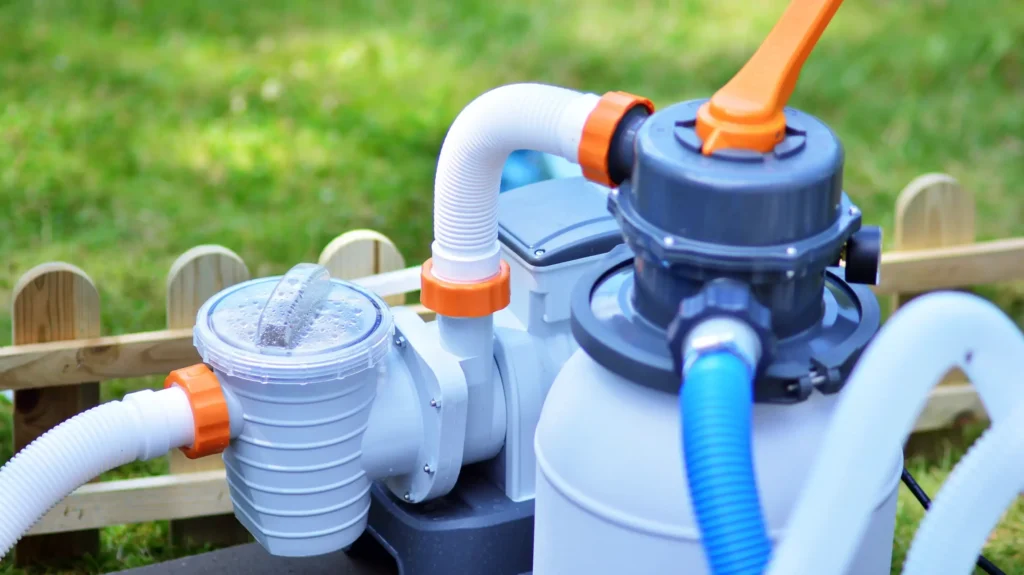
Media Filters: Sand vs. Glass
Media filters are one of the most common types of pool filtration systems, and they come in two primary varieties: sand filters (the traditional option) and glass filters (the newer alternative).
- Sand Filters:
- How It Works: Sand filters use fine silica sand to trap dirt and debris as pool water passes through. The particles are caught in the sand bed, and the clean water returns to the pool.
- Maintenance: Over time, sand filters require backwashing, a process where water is run backward through the filter to flush out the trapped debris. Requires access to a overflow relief gully (ORG) or transpiration pit. Sand needs to be replaced every 5-7 years.
- Pros: Sand filters are simple and reliable. They work well for most residential pools. Easy to maintain.
- Cons: They require regular backwashing, which wastes water. Sand filters also don’t capture the finest particles, meaning the filtration is not as thorough as other options. higher maintenance costs over the life of the filter than a sand filter. Requires access to an existing overflow relief gully (or sewer gully) or transpiration pit. Where access to an ORG or transpiration pit is not readily accessible it may be an expensive to plumb a new service in.
- Glass Filters:
- How It Works: Glass filters operate in a similar way to sand filters but use recycled, finely crushed glass / glass bead media instead of sand. The angular particles of glass trap more debris and even smaller particles than sand can.
- Maintenance: Like sand filters, glass filters also need to be backwashed, but they require less frequent backwashing, saving water in the long run. Requires access to a overflow relief gully (ORG) or transpiration pit.
- Pros: Glass filters are more efficient at trapping finer particles, require less backwashing, and have a longer lifespan than sand filters. Easy to maintain.
- Cons: Glass filters are more expensive upfront, but the cost is offset by reduced maintenance needs and water savings over time. Requires access to an existing overflow relief gully (or sewer gully) or transpiration pit. Where access to an ORG or transpiration pit is not readily accessible it may be an expensive to plumb a new service in.
Cartridge Filters
Cartridge filters are an increasingly popular option for pool owners who want finer filtration or are unable to backwash.
- How It Works: Cartridge filters use a pleated polyester or paper cartridge to trap dirt and debris. Water passes through the cartridge, which captures particles as small as 10 microns (compared to sand’s 20-40 microns).
- Maintenance: Cartridge filters don’t require backwashing. Instead, you’ll need to remove the cartridge and manually clean it periodically (usually every 4-6 weeks) with a hose. The cartridge itself will need replacing every 2-3 years.
- Pros: Cartridge filters provide superior filtration, removing smaller particles from the water. They’re easy to maintain—no backwashing required—and use less water overall. They’re also ideal for smaller pools or pools with low-to-moderate usage.
- Cons: Cartridge filters can clog faster than media filters in heavily used pools or pools with lots of debris. Manual cleaning is time consuming.
Which Filter Is Right for You?
- If you prefer lower upfront costs and have a medium-to-large pool, a sand filter may be a good choice, though you’ll need to factor in the water usage for backwashing.
- If you want better filtration and long-term savings on maintenance, a glass filter offers superior performance and reduces water waste from backwashing.
- For those who want superior filtration with no backwashing and fine particle removal, a cartridge filter might be the best fit, especially for smaller pools or those who want a more eco-friendly option.
Choosing the right filter depends on your pool’s needs, your budget, and how much time you want to spend on maintenance. Whether you go for a media filter or a cartridge filter, both systems will help keep your pool water clean and ready for swimming!