



Fibreglass Pool Costs, Pricing & Installation Guide
How Much Does a Fibreglass Pool Cost?
Compare DIY pool packages, installed pools and the factors that influence pricing
Estimate Your Pool Budget Before You Build
Compare pool sizes, layouts and installation pathways
DIY Pool Packages Can Reduce Project Costs
Understand where owner-builders can potentially save money
Fully Installed Pools Simplify Project Delivery
Compare the trade-off between convenience, support and project cost
Many homeowners begin by asking “How much does a fibreglass pool cost?” The answer depends on far more than the pool shell itself.
Understanding fibreglass pool costs starts with understanding what influences pricing. Pool size, site conditions, access, approvals, equipment selections and surrounding works can all significantly affect the overall project budget.
This guide explains the major factors that influence fibreglass pool costs, compares DIY and fully installed pathways, and helps you budget more confidently before requesting pricing.
- Compare DIY and fully installed pool pathways
- Understand what influences pool project costs
- Budget planning guidance before requesting pricing
- DIY pool kits delivered across NSW, QLD, VIC & ACT
- Fully installed pools across Newcastle & the Hunter region
What Does a Fibreglass Pool Cost?
The reality is that pool pricing can vary significantly from one project to another. While pool size and design play a role, site conditions, access, excavation requirements, equipment selections and surrounding works often have a much greater impact on the overall project budget. Understanding these factors helps create more realistic budgeting expectations.
Comparing Common Pool Build Pathways
DIY Pool Costs
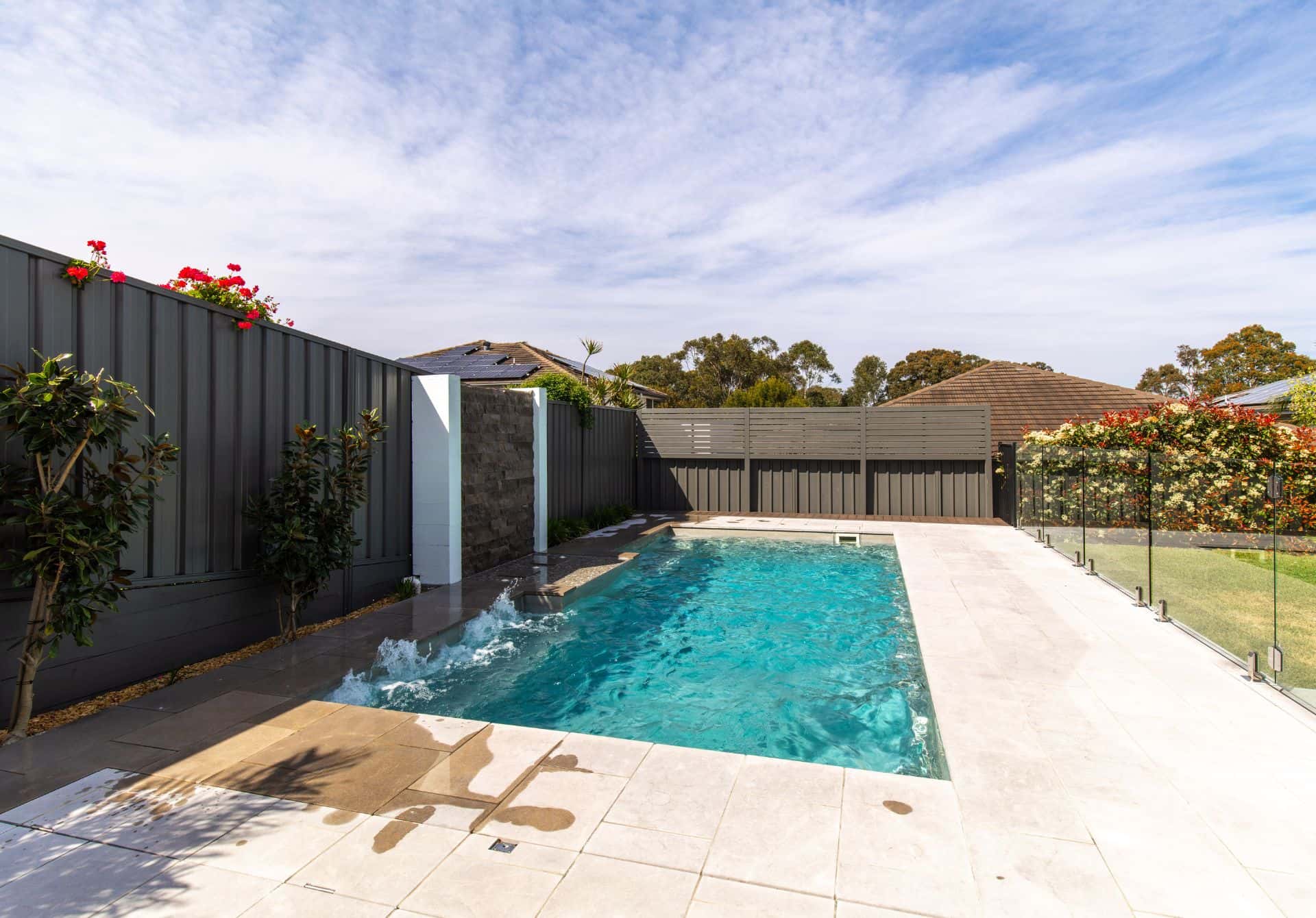
DIY fibreglass pool packages are often chosen by owner-builders, builders and hands-on homeowners wanting greater control over project costs, installation timing and contractor selection.
In many projects, DIY pool packages can reduce overall costs because the homeowner manages approvals, trades and project coordination. The trade-off is greater responsibility for planning, scheduling and project delivery.
Fully Installed Pool Costs
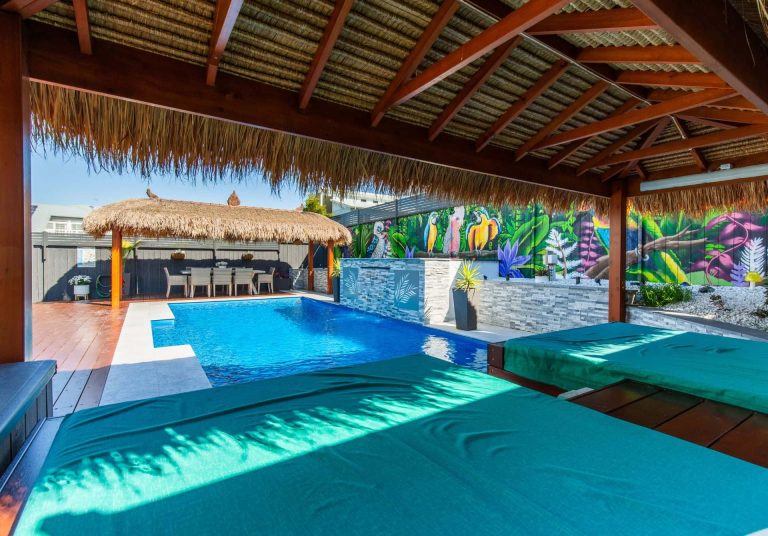
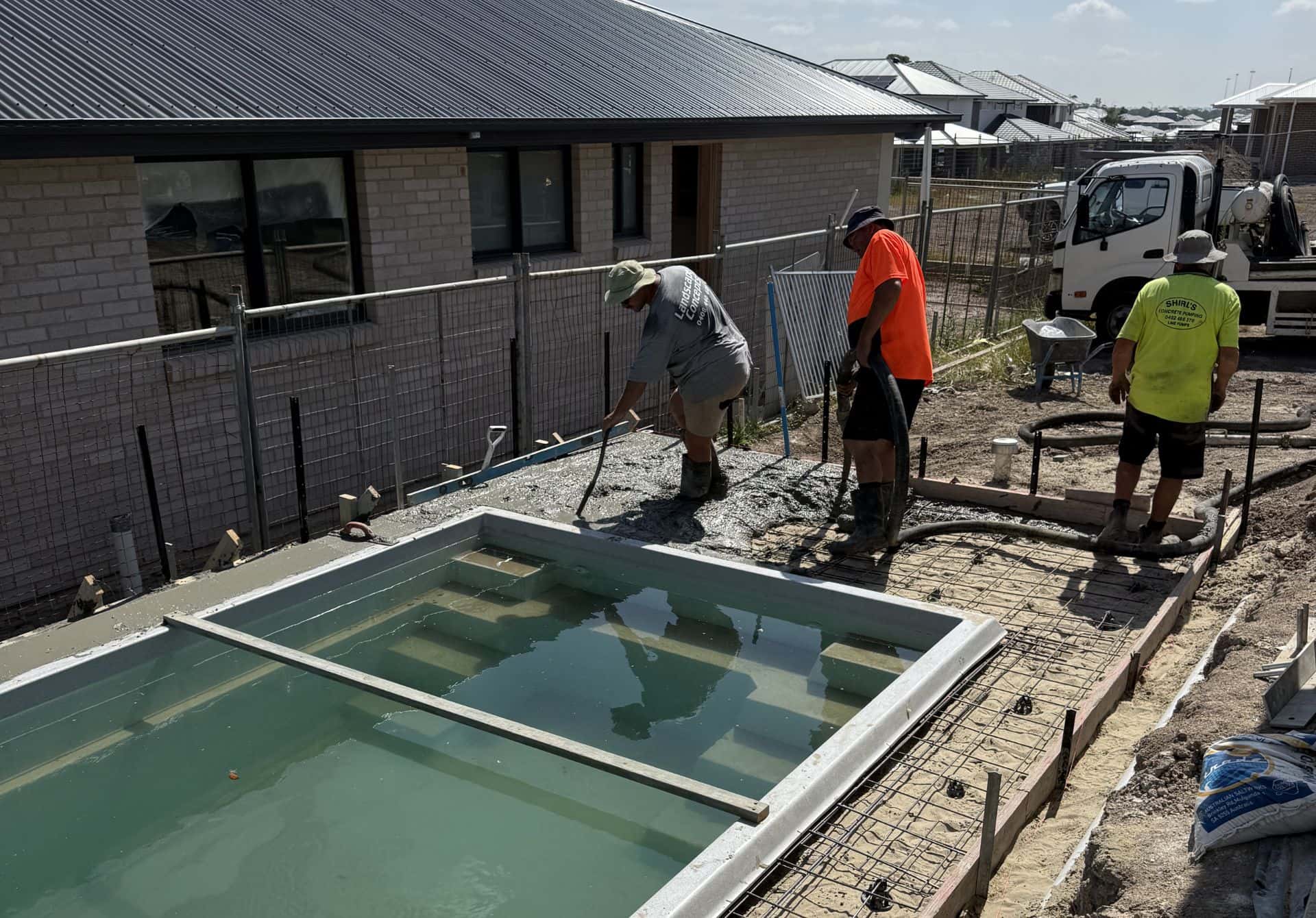
Fully installed pools provide a more structured pathway where excavation, installation and project coordination are managed through a builder-led process.
While fully installed pools generally involve a higher overall investment, many homeowners value the convenience, reduced workload and builder-managed coordination that comes with a more streamlined installation experience.
Why Do Pool Costs Vary So Much?
The pool shell is often only one component of the overall project budget. Site access, excavation conditions, approvals, fencing, concrete surrounds, retaining walls, landscaping and equipment upgrades can all influence the final investment. Understanding these factors early helps create more realistic budgeting expectations.
What Factors Influence Fibreglass Pool Costs?
Pool Design & Size
Site Access
Excavation Conditions
Equipment & Upgrades
Surrounding Works
Approvals & Compliance
What Often Has Less Impact On Pool Costs?
Every Pool Project Is Different
Fibreglass Pool Budget Examples
One of the most common misconceptions about fibreglass pool pricing is that pool size alone determines the overall project budget. While larger pools generally require more materials and excavation, installation pathway, site conditions and the level of finish around the pool often have a greater influence on total project costs than pool size alone.
The examples below are intended as general budgeting guides only and should not be considered quotations. Complete project budgets typically include the pool, installation, compliance requirements and surrounding works rather than the pool shell alone.
| Pool Size | Typical Pool Examples | Practical Finish* | Standard Finish* | Premium Finish* |
|---|---|---|---|---|
| Small Pool | Plunge pools, compact pools and smaller backyard projects | From $65k | From $80k | From $100k |
| Medium Pool | Family pools, everyday recreation pools and versatile backyard layouts | From $75k | From $95k | From $120k |
| Large Pool | Larger family pools, entertaining pools and resort-style backyard projects | From $90k | From $115k | From $145k |
What Do We Mean By Practical, Standard and Premium?
Whether you are still comparing pool designs or ready to move forward with your project, the next step is understanding which pool, layout and build pathway best suits your space, budget and goals.
Our team can help you compare pool options, understand installation pathways and plan the next stage of your project with greater clarity.
Practical Finish
Standard Finish
Premium Finish
Where Does The Money Typically Go?
Most pool projects involve a combination of planning, installation, compliance and finishing costs that extend well beyond the pool itself.
| Project Component | Typical Scope | Typical Share of Project Budget* |
|---|---|---|
| Approvals & Engineering | Detailed drawings, building approvals, certification, site-specific engineering and compliance documentation | 4-8% |
| Pool Shell, Equipment & Commissioning | Pool shell, pump, filtration system, sanitiser, lights, cleaning equipment and start-up chemicals | 20-35% |
| Excavation & Installation | Excavation, spoil removal, crane requirements, machinery and pool installation works | 20-35% |
| Electrical & Utility Services | Electrical connection, pool equipment wiring, lighting circuits, bonding, earthing and associated compliance requirements | 3-8% |
| Concrete & Paving | Pool surrounds, pathways, paving, hardscape areas and outdoor surfaces | 5-30% |
| Landscaping & Drainage | Gardens, turf, drainage improvements and outdoor finishing works | 10-25% |
| Retaining & Site Works | Retaining structures, access improvements and site-specific construction requirements | 0-25%+ |
| Fencing & Compliance | Pool fencing, gates, barriers and final compliance requirements | 5-10% |
What Do Most Homeowners Underestimate?
Homeowners often focus on the pool shell itself, however surrounding works can represent a significant portion of the overall project budget. Landscaping, retaining walls, fencing, drainage and access constraints frequently cost more than expected during planning.
- Landscaping and outdoor living areas
- Retaining walls and structural works
- Drainage and site preparation
- Fencing and compliance requirements
- Access constraints and crane requirements
- Site-specific engineering requirements
What Often Increases Pool Costs?
Site Conditions
- Site-specific engineering
- Difficult access
- Ground level changes and excavation depth
- Rock excavation
- Groundwater management
- Significant spoil removal
- Electrical upgrades and extended service runs
- Retaining walls
Project Scope
- Premium equipment upgrades
- Large entertaining areas
- Extensive landscaping
What Often Costs Less Than Expected?
- Small increases between comparable pool sizes
- Choosing between similar pool colours
- Standard equipment upgrades
- Moving between comparable pool designs
A Smaller Pool Doesn't Always Mean a Smaller Budget
Pool size is only one component of the overall budget. In many projects, access, retaining walls, landscaping and surrounding works can have a greater influence on total project costs than the difference between two similar pool sizes.
This is why comparing complete project budgets is often more valuable than comparing pool sizes alone.
DIY vs Fully Installed Pool Costs
Both pathways can deliver an excellent finished result; however, they differ significantly in homeowner involvement, project responsibilities and overall budget considerations. Understanding what is included in each option can help homeowners determine which approach best suits their budget, experience and preferred level of involvement.

What Is Included In A DIY Pool Package?
The pool shell and equipment package remain the same; however, the homeowner assumes responsibility for coordinating approvals, trades and project delivery.
| Project Component | DIY Pool Package |
|---|---|
| Pool Shell | ✔ Included |
| Filtration & Sanitiser Equipment | ✔ Included |
| Pool Lights | ✔ Included |
| Delivery | ✔ Included |
| Excavation | Homeowner Managed |
| Pool Installation | Homeowner Managed |
| Crane Requirements | Homeowner Managed |
| Concrete Surrounds | Homeowner Managed |
| Electrical Works | Homeowner Managed |
| Paving and Retaining | Homeowner Managed |
| Landscaping & Drainage | Homeowner Managed |
| Fencing & Compliance | Homeowner Managed |
| Project Coordination | Homeowner Managed |

What Is Included In A Fully Installed Fibreglass Pool?
While project inclusions vary, homeowners generally benefit from reduced project management responsibilities and a more streamlined installation experience.
| Project Component | Fully Installed Pool |
|---|---|
| Pool Shell | ✔ Included |
| Filtration & Sanitiser Equipment | ✔ Included |
| Pool Lights | ✔ Included |
| Delivery | ✔ Included |
| Excavation | ✔ Included |
| Pool Installation | ✔ Included |
| Crane Requirements | ✔ Included |
| Concrete Surrounds | ✔ Included |
| Electrical Works | Often Separate |
| Paving & Retaining | Often Separate |
| Landscaping & Drainage | Often Separate |
| Fencing & Compliance | Often Separate |
| Project Coordination | ✔ Included |
Why Do DIY Pool Packages Often Cost Less?
If you are comparing pool builders in Newcastle, these next steps will help you move forward with clarity and confidence.
Every pool project starts at a different point. Some homeowners already know the pool they want, while others are still comparing designs, layouts and installation options.
Wherever you are in the process, the steps below will help you understand your options and decide what to do next.
Greater Homeowner Involvement
Independent Trade Selection
Homeowners can engage trades directly and compare pricing across excavation, electrical, fencing, landscaping and other project components.
Flexible Project
Staging
Many DIY projects are completed in stages, allowing homeowners to spread costs over time and complete surrounding works when budget allows.
Why Do Some Homeowners Prefer Fully Installed Pools?
Reduced Project Management
Streamlined Installation Process
A more structured installation pathway can simplify scheduling and reduce the complexity of coordinating multiple contractors.
Single Point Of Coordination
Why Do Fully Installed Pools Typically Cost More?
Builder-Led Project Coordination
Installation Services Included
Excavation, machinery, crane coordination, installation works and associated construction activities are generally included.
Convenience & Time Savings
Many homeowners value a more streamlined experience with fewer day-to-day project management responsibilities.
Which Pathway Is Right For You?
DIY Pool Packages May Suit
- Owner-builders
- Builders and tradespeople
- Budget-conscious projects
- Greater control over contractor selection
- Flexible project timelines
Fully Installed Pools May Suit
- Busy homeowners
- Homeowners seeking convenience
- Reduced project management responsibilities
- Builder-led project coordination
- A more structured installation pathway
Whether you choose a DIY pool package or a fully installed pool, the pool shell, equipment package and finished swimming experience can be very similar. The primary differences relate to project management, trade coordination and installation responsibilities.
The key is choosing the option that best aligns with your project goals and circumstances.
Estimate Your Pool Budget With Our Pool Cost Calculator
The examples throughout this guide provide useful budgeting benchmarks; however, every pool project is unique. Use our pool cost calculator to generate a more personalised budget estimate based on your preferred pool design, installation pathway and project requirements.
Frequently Asked Questions
How much does a fibreglass pool cost?
Fibreglass pool costs vary significantly depending on pool size, installation pathway, site conditions, access requirements, equipment selections and surrounding works. Comparing complete project budgets is often more useful than focusing on the pool shell alone.
What is the average cost of a fibreglass pool?
There is no single average cost that applies to every project. Factors such as pool size, site access, excavation conditions, installation pathway and the level of finish around the pool can all significantly influence the overall project budget. Reviewing complete project budgets often provides more useful guidance than focusing on average pool prices alone.
Is a DIY pool package cheaper than a fully installed pool?
In many projects, DIY pool packages can reduce overall costs compared to fully installed pools because the homeowner manages approvals, trade coordination and project delivery. The trade-off is increased responsibility for planning, scheduling and overseeing the project from start to finish.
What factors have the biggest impact on pool costs?
Site access, excavation conditions, rock, groundwater, retaining walls, engineering requirements, fencing, landscaping and surrounding works are often among the biggest cost drivers in a pool project. In many cases, these factors have a greater impact on the overall budget than the pool size itself.
What costs more: the pool or the surrounding works?
Many homeowners are surprised to learn that surrounding works can represent a significant portion of the total project budget. Excavation, fencing, concrete surrounds, landscaping, drainage and retaining walls can sometimes have a greater impact on project costs than the difference between two similar pool sizes.
Can a small pool cost more than a larger pool?
Yes. A compact pool installed on a difficult site with retaining walls, poor access, extensive landscaping and premium outdoor living areas can sometimes cost more than a larger pool installed on a straightforward site with minimal surrounding works.
What is the cheapest way to build a fibreglass pool?
DIY pool packages are often the most cost-effective pathway because the homeowner assumes responsibility for project management, contractor coordination and installation activities. Whether DIY ultimately provides better value depends on your experience, available time and willingness to manage the project.
Do difficult sites cost more to build on?
In many cases, yes. Steep blocks, restricted access, rock excavation, groundwater, poor soil conditions and retaining requirements can all increase project complexity and influence overall costs. Understanding these factors early helps create more realistic budgeting expectations.
Are fibreglass pools cheaper than concrete pools?
Fibreglass pools are often more cost-effective than comparable concrete pools because manufacturing occurs off-site and installation is generally faster. They also typically require less ongoing maintenance, helping reduce long-term ownership costs. For many homeowners, this combination can result in a lower total lifetime cost than a comparable concrete pool.
Is a fibreglass pool worth the investment?
For many homeowners, a fibreglass pool provides a balance of durability, installation speed, low maintenance requirements and long-term lifestyle value. Whether it represents good value depends on your budget, project goals and how you intend to use the pool.
How can I get more accurate pool pricing?
The most accurate way to understand project costs is to compare your preferred pool design, installation pathway and site conditions together. Early planning and realistic budgeting expectations generally lead to better project outcomes and fewer surprises during construction.
Ready To Discuss Your Pool Project?
Every pool project is unique. Pool design, site conditions, installation pathway and surrounding works can all influence the final budget and overall project approach.
Whether you’re comparing DIY pool packages, researching fully installed pools or simply trying to establish a realistic budget, our team can help you understand the available options and answer any questions you may have.
From initial budgeting through to final project planning, we’re here to help you move forward with greater clarity and confidence.
- Compare DIY and fully installed pool options
- Budget planning guidance before requesting pricing
- Pool design, pricing and installation advice
- DIY pool kits delivered across NSW, QLD, VIC & ACT
- Fully installed pools across Newcastle & the Hunter region
Not Sure Where To Start?
Many homeowners begin with a simple conversation about pool size, budget expectations and project goals. Understanding these factors early often helps create more realistic planning and better project outcomes.